Brrr! Is it just me, or did the temperature suddenly drop about 20 degrees? Suddenly, I’m all about those cozy knits that keep the winter chills at bay. And let’s be honest, there’s nothing quite like wrapping yourself in a handmade scarf, pulling on a toasty hat, or snuggling your hands into a pair of woolly mittens that you created yourself.
But before you dive headfirst into your next winter project, let’s talk yarn! Choosing the right yarn can make all the difference between a “meh” accessory and a masterpiece you’ll cherish for years to come.
In this guide, we’ll unravel the mysteries of the yarn world and explore the best fibers for crafting those oh-so-cozy winter essentials. Get ready to discover the perfect yarn for your next hat, scarf, or mitten project!

Natural Fibers
Wool
Ah, wool! The classic choice for winter warmth. This natural fiber, derived from sheep’s fleece, has been keeping humans cozy for centuries. But not all wool is created equal. Different breeds of sheep produce wool with varying characteristics, from the fine softness of Merino to the rustic durability of Shetland.
Pros:
- Warmth: Wool is a natural insulator, trapping warm air close to the body.
- Moisture-wicking: Wool fibers can absorb moisture without feeling damp, helping to regulate body temperature.
- Elasticity: Wool has a natural “bounce,” making it ideal for garments that need to stretch and hold their shape.
- Durability: Wool is a strong fiber that can withstand wear and tear.
Cons:
- Itch factor: Some people find wool itchy, especially coarser varieties.
- Care: Wool often requires hand-washing or gentle machine cycles to prevent shrinking or felting.
Ideal for:
- Classic winter hats, scarves, and mittens.
- Items that need to be durable, like mittens or work socks.
- Projects where warmth and moisture-wicking are important.
Recommended Yarns:
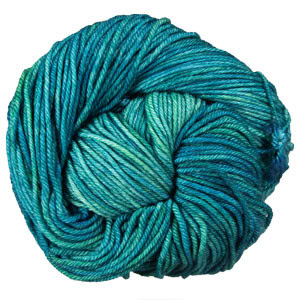
Malabrigo Rios: Superwash Merino wool known for its softness and beautiful drape. Great for scarves and hats. Merino wool yarn. I honestly haven’t met a colorway of Malabrigo yarn that I didn’t love!
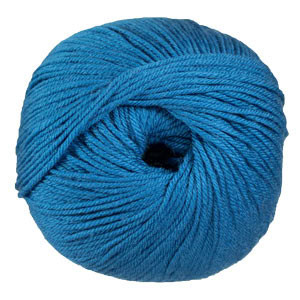
Casdcade 220: A workhorse wool, perfect for durable mittens and warm sweaters. Comes in a huge range of colors. Aran weight superwash wool yarn. Wonderful choice!
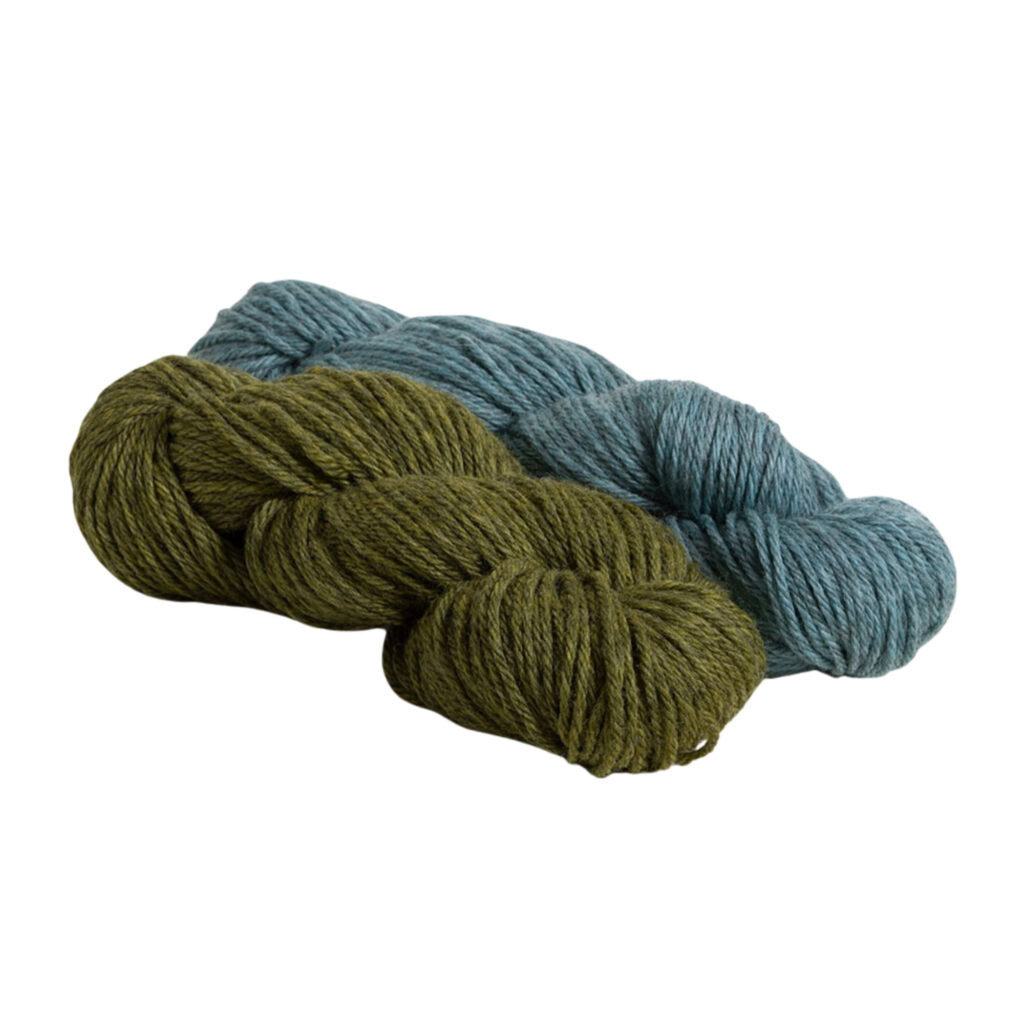
Wool of the Andes: A wonderful superwash wool that comes in many different yarn weights, perfect for winter accessories! Link is to the superwash bulky (one of my faves!)
Alpaca
If softness is your top priority, alpaca yarn is a dream come true. This luxurious fiber comes from alpacas, gentle creatures related to llamas. Alpaca fleece is known for its incredible softness, warmth, and lightweight feel.
Pros:
- Cloud-like softness: Alpaca is incredibly soft and gentle against the skin.
- Warmth: Alpaca is warmer than sheep’s wool, even when used in lighter weights.
- Hypoallergenic: Alpaca fiber is naturally hypoallergenic, making it a good choice for those with sensitive skin.
- Lightweight: Alpaca garments feel light and airy, despite their warmth.
Cons:
- Price: Alpaca yarn tends to be more expensive than wool.
- Durability: While strong, alpaca may not be as durable as wool for high-wear items.
Ideal for:
- Luxurious scarves, hats, and cowls.
- Accessories where softness and warmth are paramount.
- Lightweight garments that provide exceptional insulation.
Recommended Yarns:
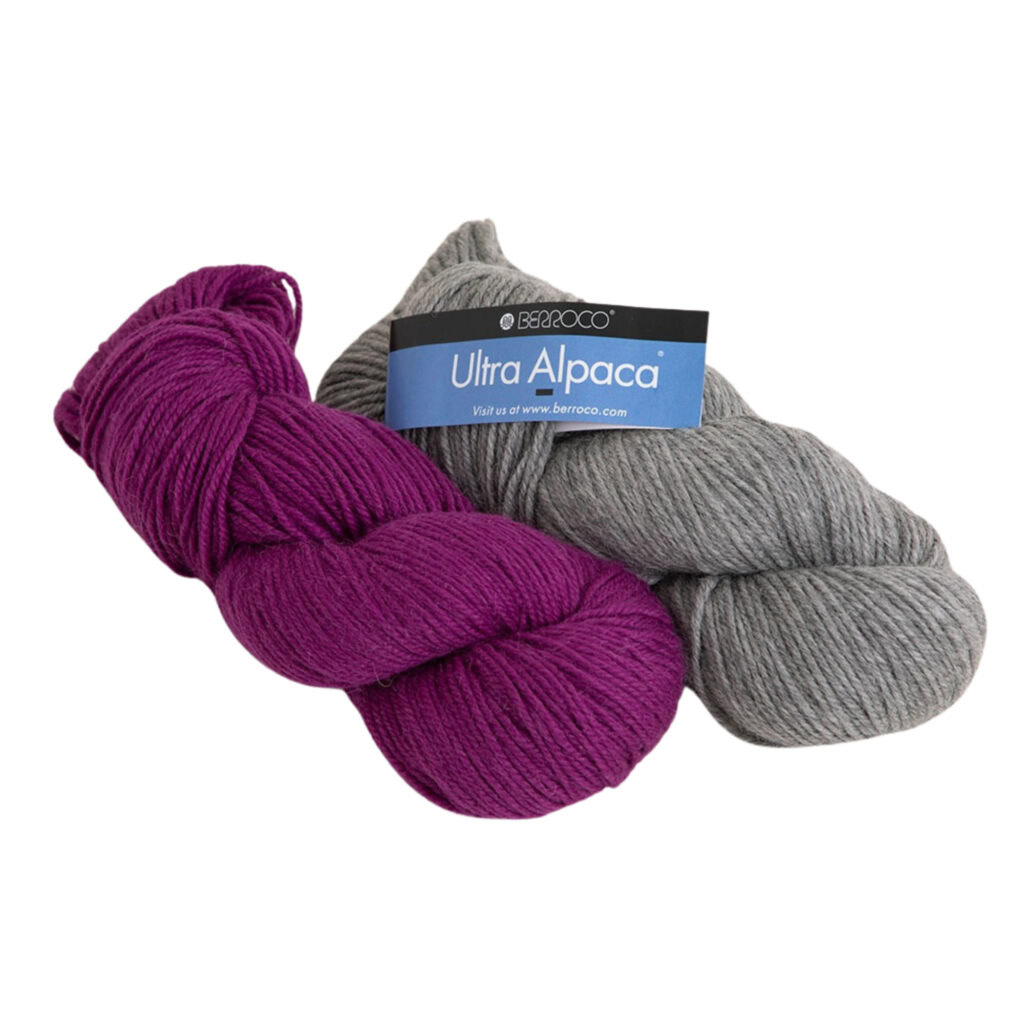
Berroco Ultra Alpaca: This wonderful yarn is a blend of alpaca and Peruvian wool, giving you the best of both worlds. A dream to work with.
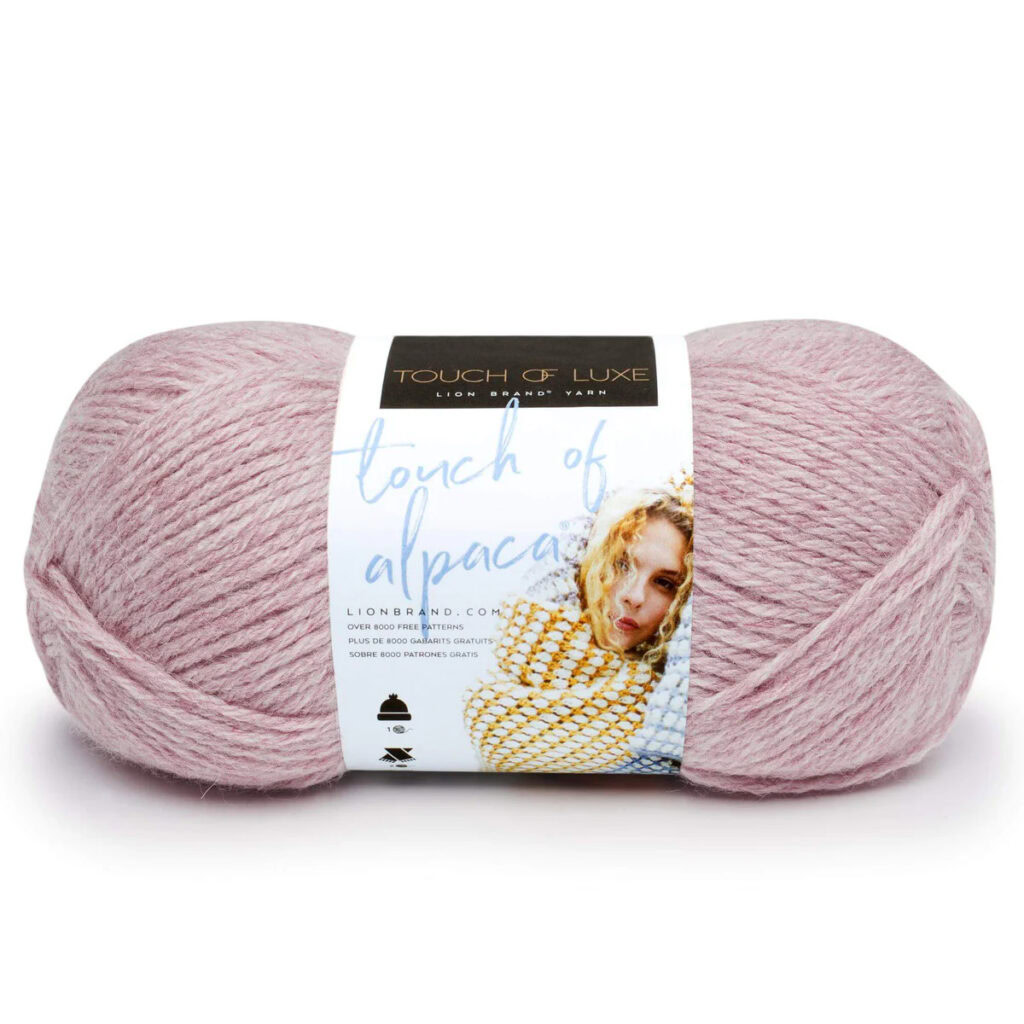
Lion Brand Touch of Alpaca: This blend provides the easy care of acrylic with the softness of alpaca in an easy-to-care-for yarn. I love the feel of this yarn.
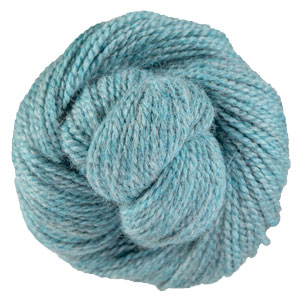
Blue Sky Fibers Baby Alpaca: Looking for a yarn that is 100% alpaca? Try this sport weight baby alpaca yarn! True luxury.

Synthetic Fibers
Acrylic
Acrylic yarn is a popular choice for knitters and crocheters of all skill levels. This synthetic fiber is made from acrylic polymers, resulting in a yarn that is affordable, easy to care for, and comes in a rainbow of colors.
Pros:
- Affordability: Acrylic yarn is generally very budget-friendly.
- Easy care: Acrylic is machine washable and dryable, making it a low-maintenance choice.
- Color variety: Acrylic yarns come in a vast array of colors, from vibrant brights to subtle pastels.
Cons:
- Warmth: Acrylic may not be as warm as natural fibers like wool or alpaca.
- Breathability: Acrylic can sometimes feel less breathable than natural fibers.
Ideal for:
- Beginner projects.
- Items for children or babies.
- People with wool sensitivities.
- Projects where affordability and easy care are important.
Recommended Yarns:
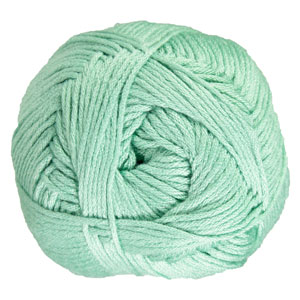
Berroco Comfort: Seriously one of my favorite acrylics on the market! This premium acrylic doesn’t feel like you’re traditional acrylic yarn. Comes in worsted and chunky.
Brava: If you want a yarn that’s easy on the wallet but doesn’t feel like it, then you should check out Knit Picks Brava! Premium acrylic that comes in several weights.
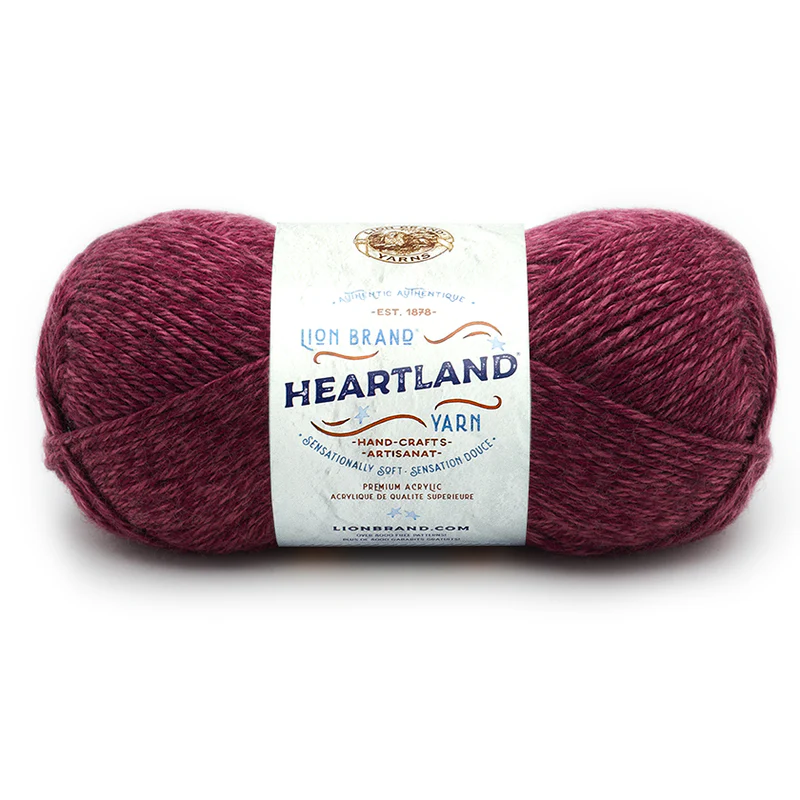
Lion Brand Heartland: I love the color variations in all the colors of Heartland. I’ve used it for several projects including sweaters and it always impresses.
Blends
Yarn blends combine different fibers to create yarns with unique characteristics. Wool blends, in particular, are popular for winter accessories.
Pros:
- Best of both worlds: Blends can offer the warmth of wool with the easy care of acrylic or the softness of alpaca.
- Versatility: Blends can be customized to achieve specific qualities, like drape, durability, or texture.
Cons:
- Pilling: Some blends may pill more easily than pure fibers.
- Variable qualities: The characteristics of a blend depend on the specific fibers used and their proportions.
Ideal for:
- Versatile projects where you want a balance of warmth, durability, and care.
- Experimenting with different textures and fiber combinations.
Recommended Yarns:
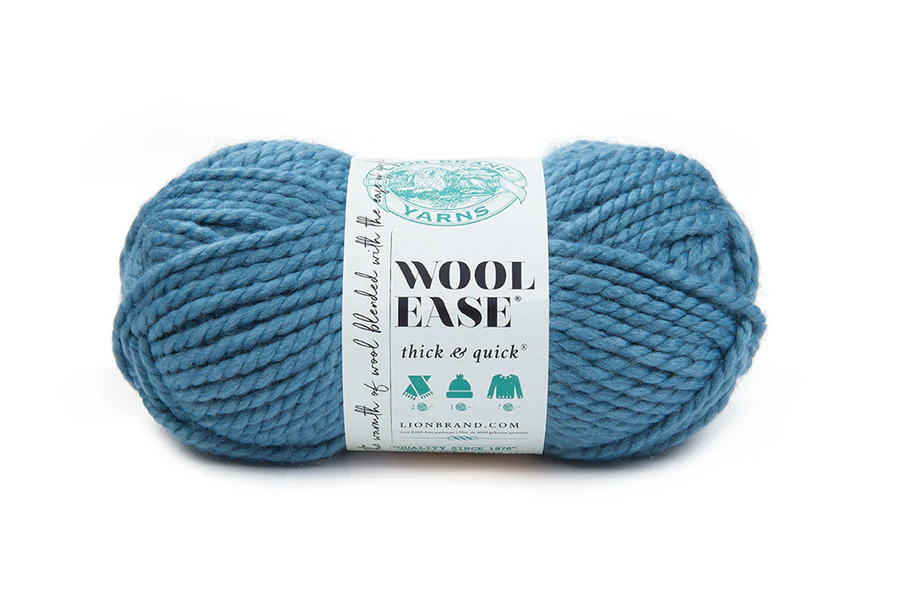
Wool-Ease Thick & Quick: A popular blend of wool and acrylic that is warm, easy to care for, and comes in a wide range of colors and works up super fast!
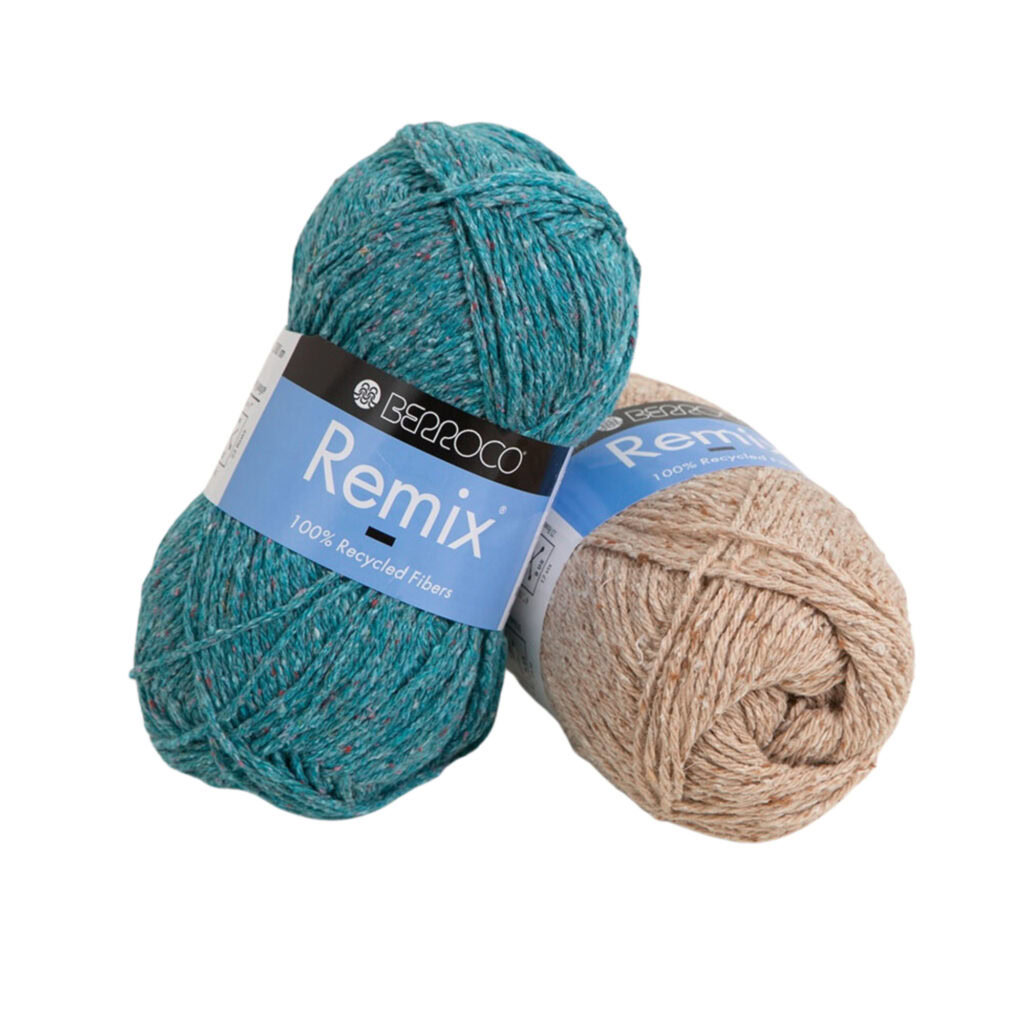
Berroco Remix: A wonderful blend of recycled fibers that contains nylon, cotton, acrylic, silk and linen.
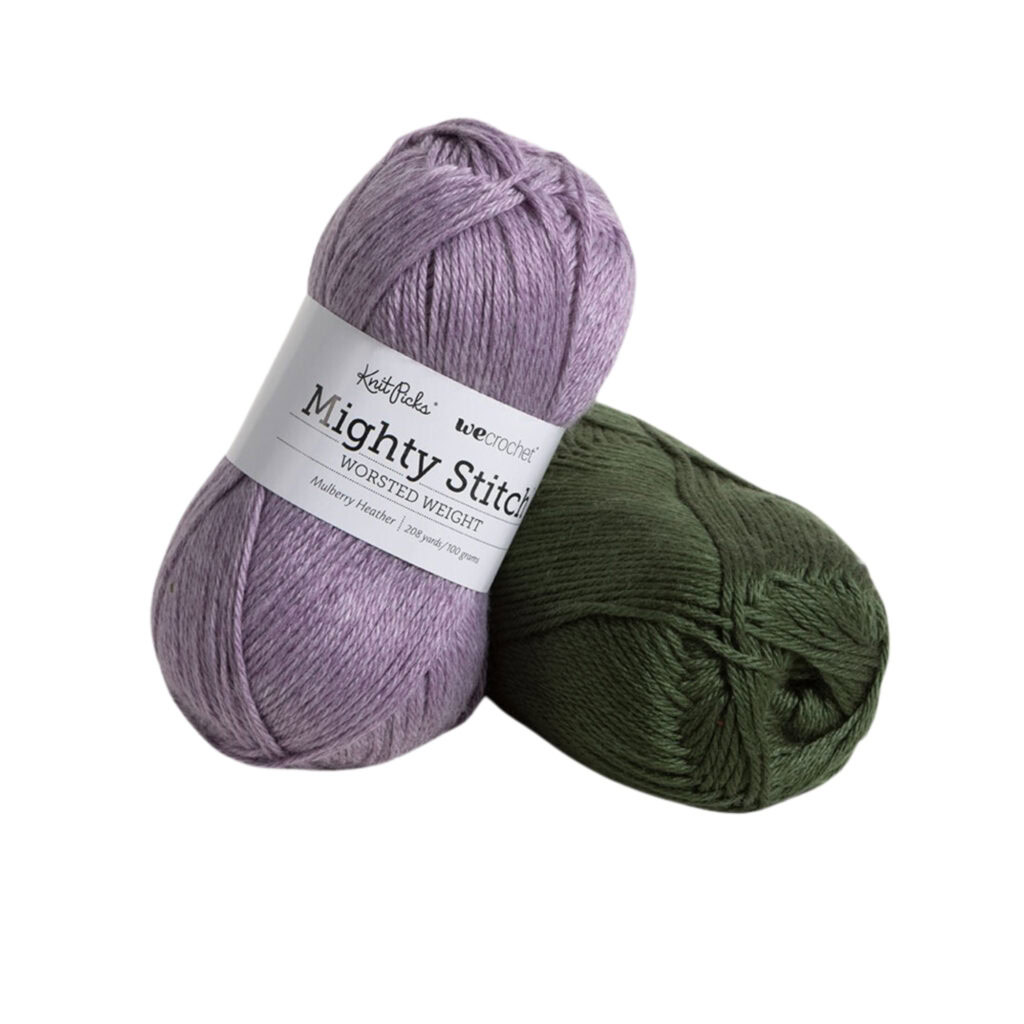
Mighty Stitch: This yarn is a wonderful combination of acrylic and wool, giving you the feel of wool with acrylic’s easy-care characteristics.
Other Considerations
Choosing the right fiber is a great starting point, but there are a few other factors to keep in mind when selecting yarn for your winter accessories:
Yarn Weight
Yarn weight refers to the thickness of the yarn. It plays a crucial role in determining the look, feel, and warmth of your finished project. Yarn weights range from lace (the thinnest) to super bulky (the thickest).
- For lightweight accessories: Lace, fingering, or sport weight yarns create delicate and airy scarves, shawls, or lightweight hats.
- For everyday warmth: DK, worsted, or Aran weight yarns are versatile choices for hats, scarves, and mittens.
- For maximum coziness: Bulky and super bulky yarns create incredibly warm and quick-to-knit accessories.
Consider the desired warmth and drape of your project when choosing a yarn weight. A chunky yarn will create a dense and warm hat, while a lighter yarn will result in a more drapey scarf.
Color
Color is a powerful tool for expressing your personal style and capturing the spirit of the season.
- Classic winter hues: Neutrals like white, cream, gray, and black are timeless choices for winter accessories.
- Jewel tones: Rich colors like emerald green, sapphire blue, and ruby red evoke a sense of luxury and warmth.
- Holiday cheer: Don’t shy away from festive reds, greens, and golds for a touch of holiday spirit.
Think about the recipient’s preferences and how the color will complement their wardrobe.
Texture
Texture adds depth and visual interest to knitted and crocheted fabrics.
- Smooth yarns: Yarns with a smooth texture create a clean and classic look.
- Textured yarns: Yarns with boucle, slubs, or other irregularities add dimension and create unique effects.
- Cable and stitch patterns: Even with smooth yarns, you can create texture through cable patterns, ribbing, or other stitch techniques.
Experiment with different textures to find what you love! Some popular textured yarns for winter accessories include:
- Bouclé: A yarn with loops or curls that create a fuzzy, textured fabric.
- Marled: A yarn with multiple strands of different colors twisted together, creating a heathered effect.
- Cabled yarns: Yarns designed to create prominent cables with ease.
By considering yarn weight, color, and texture, you can create winter accessories that are not only warm and functional but also beautiful and expressive of your unique style.
My Favorite Knit Accessory Patterns (All Free and Designed by Me!)

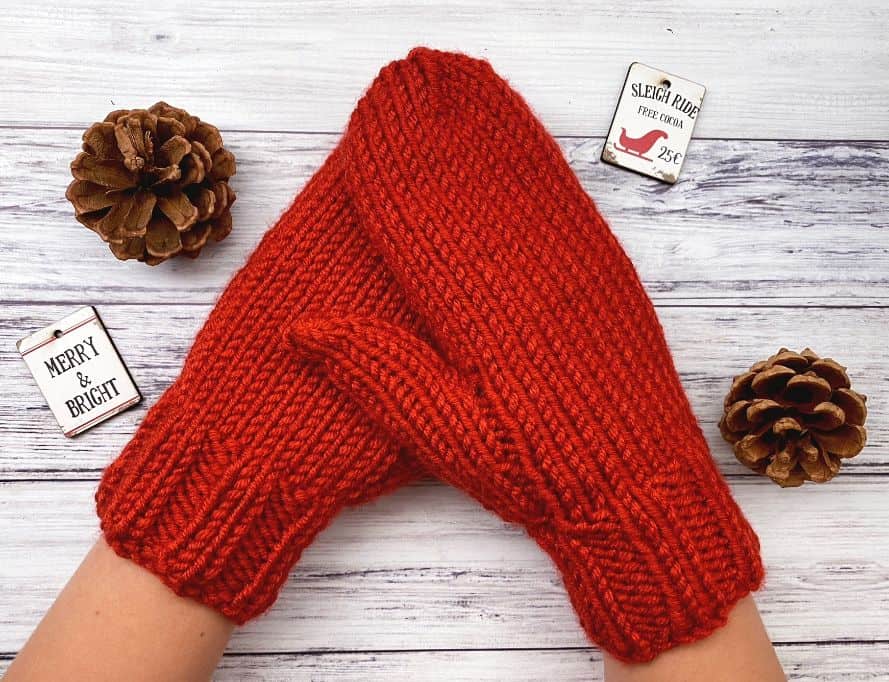
Easy Knit Mittens (knit on straight needles)
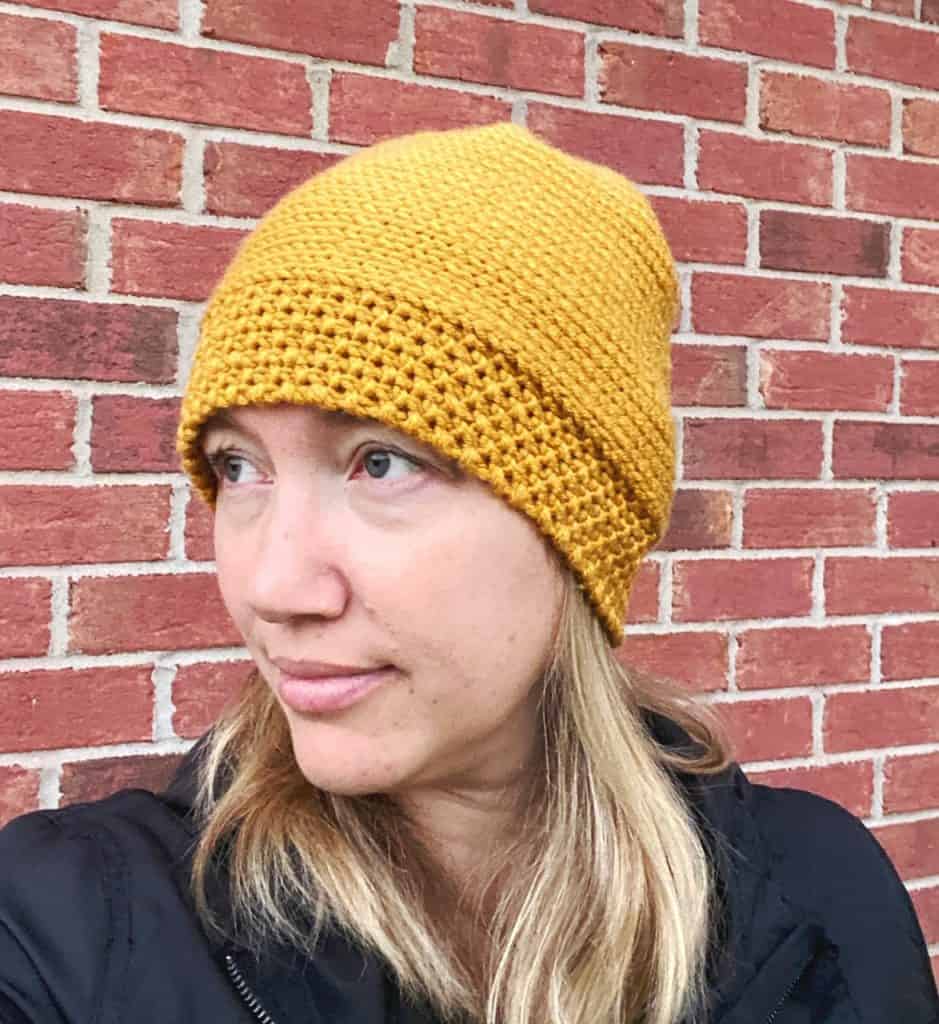
My Favorite Crochet Accessory Patterns (All Free and Designed by Me!)

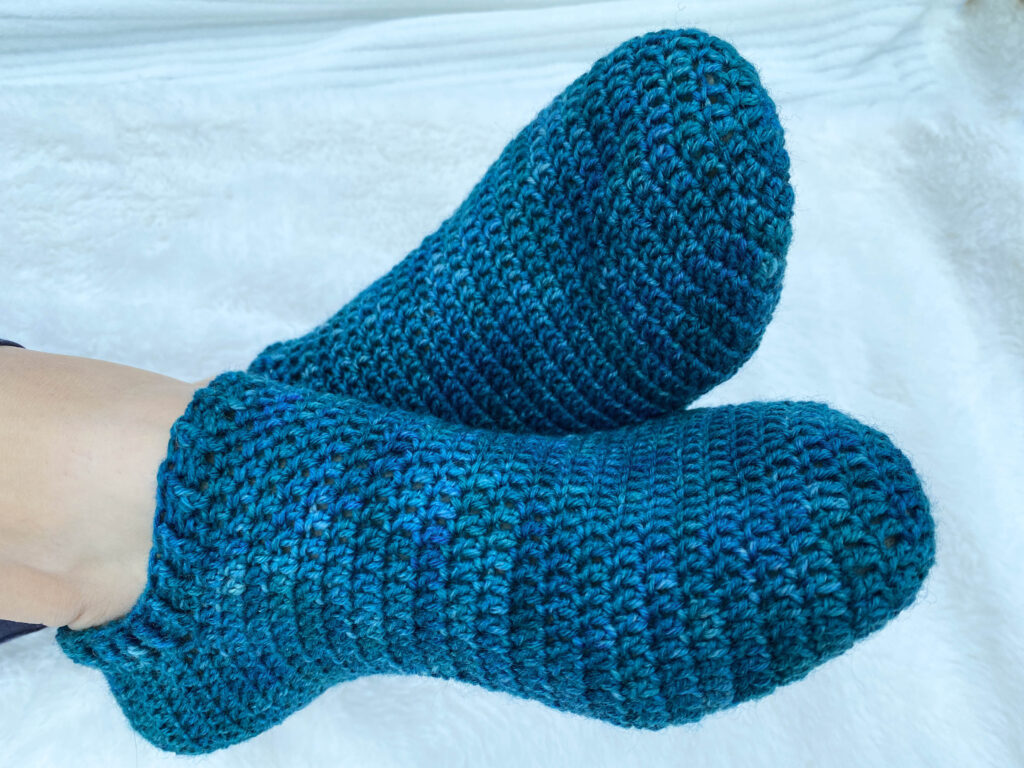
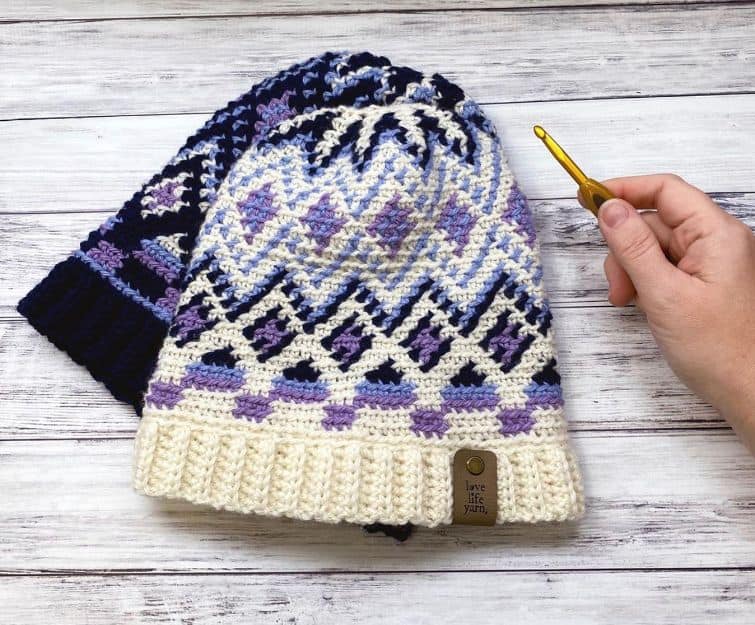
Tips and Tricks
Here are a few extra tips and tricks to help you choose the perfect yarn and care for your finished winter accessories:
Yarn Substitution
What happens if you fall in love with a pattern that calls for a specific yarn, but you can’t find it anywhere? Don’t worry! You can often substitute yarns successfully if you keep a few things in mind:
- Fiber Content: Try to match the fiber content as closely as possible. If the pattern calls for wool, look for another wool yarn or a wool blend with a similar percentage of wool.
- Yarn Weight: Make sure the substitute yarn is the same weight (or a very close substitute) as the original yarn.
- Gauge: Always knit or crochet a gauge swatch with the substitute yarn to ensure it matches the gauge given in the pattern. If your gauge is off, you may need to adjust needle size or hook size to achieve the correct dimensions.
- Yardage: Check the yardage of both the original yarn and the substitute yarn. You may need to buy more or less of the substitute yarn to have enough for your project.
Care Guide
Proper care will help your handmade winter accessories last for years to come. Here’s a quick guide to caring for different fiber types, but always remember to check your ball band for specific recommendations:
| Fiber Type | Washing Instructions | Drying Instructions |
|---|---|---|
| Wool | Hand wash in cool water with a gentle wool wash. | Lay flat to dry. |
| Alpaca | Hand wash in cool water with a gentle wool wash. | Lay flat to dry. |
| Cashmere | Hand wash in cool water with a gentle cashmere shampoo. | Lay flat to dry. |
| Acrylic | Machine wash on a gentle cycle with cool water. | Tumble dry low or lay flat to dry. |
| Blends | Follow care instructions for the dominant fiber in the blend. |
Extra Care Tips:
- Avoid using harsh detergents or bleach on natural fibers.
- To prevent pilling, turn garments inside out before washing.
- Store knitted items folded rather than hanging to prevent stretching.
- If a garment becomes slightly felted, try soaking it in a solution of hair conditioner and water to relax the fibers.
By following these tips, you can keep your handmade winter accessories looking their best and enjoy their cozy warmth for many winters to come.
Final Thoughts on the Best Fibers for Cozy Winter Accessories
So there you have it! A whirlwind tour of the wonderful world of yarn for winter warmth. Whether you’re a die-hard wool enthusiast, an alpaca aficionado, or an acrylic adventurer, there’s a perfect yarn out there waiting to be transformed into your next cozy creation.
Remember, the “best” yarn is ultimately the one that brings you joy to work with and creates a finished project you’ll love to wear or give. So grab your needles or hook, explore the yarns we’ve discussed, and let your creativity flow!
And don’t forget to share your cozy creations with me! I love to see what you’re making with your favorite winter yarns. Tag me on Instagram @love.life.yarn or email me at [email protected].
Now go forth and knit (or crochet) something amazing! ✨
Amanda
